
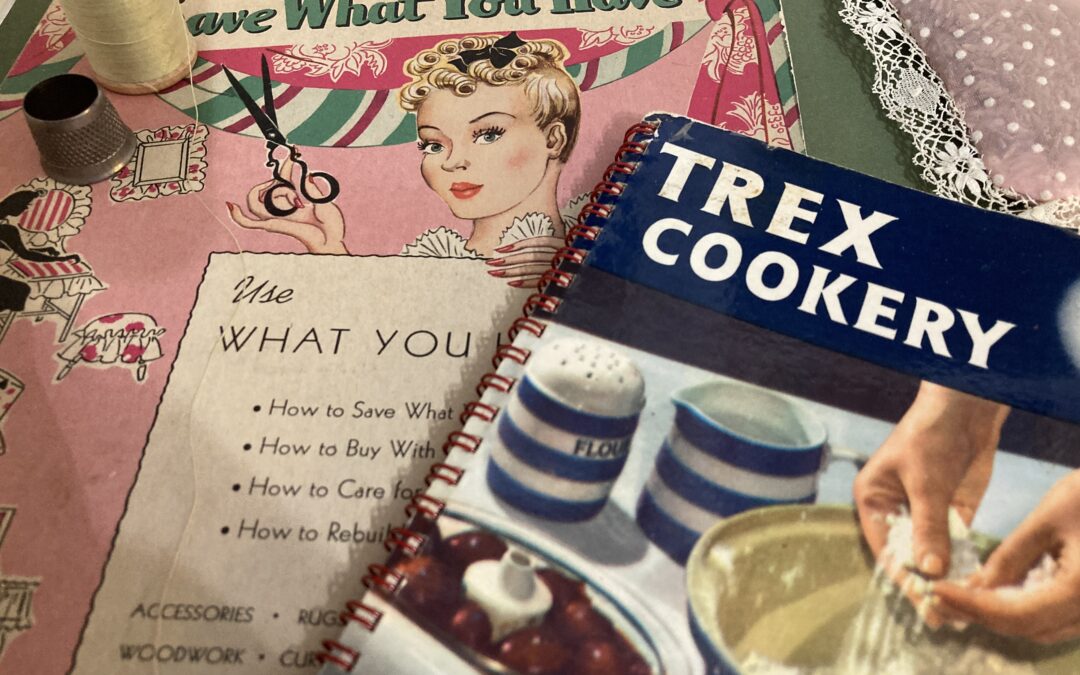
Last summer I was very enthused about Debbie Marshall’s art installation called ‘My Name is Margaret” at the Ladysmith Art Gallery (in Ladysmith, B.C.). Now I get to be enthused all over again as there’s another opportunity to see Debbie’s show in Courtenay, B.C. at Artful: The Gallery. (The dates, August 5 to 22, 2026, specific times and events are on the gallery’s website which I’ve included below.)
 Debbie has been a journalist and for several years worked on projects highlighting the work of women during wartime. She is the author of two non-fiction books: Give Your Other Vote to the Sister: A Woman’s Journey into The Great War and Firing Lines: Three Women Write the First World War.
 When it came to her latest work, “My Name is Margaret,” Debbie explored wartime trauma, mental illness and recovery with mental health being a major theme running through the displays. What makes this project different from Debbie’s nonfiction books is that from her research into the impact of war on women’s mental and emotional health, Debbie created Margaret’s life. Yes, Margaret is a fictional character, a composite of many women in postwar Britain.
If you live on Vancouver Island or are visiting, you have a chance to see Debbie Marshall’s show with an opportunity to meet Debbie at the launch party on Saturday, August 8 from 7 to 9 pm. She’ll be giving an artist talk on Saturday, August 22 at 2 p.m. All events are free.
Do have a look at Artful: The Gallery’s website where you’ll find a video of the installation as well as one that is an interview with Debbie: https://www.artfulthegallery.com/
I didn’t know about “fictive art” and “hidden histories through objects” as Debbie Marshall says of her immersive art installation, and others that combine the inherited and the invented as I refer to nonfiction and fiction. This is a whole new realm to explore.
Antoinette LaFarge who wrote Sting in the Tale: Art, Hoax & Provocation, says: “I define fictive art as fictions that their makers attempt to secure as real and true by producing all kinds of visual evidence in support of the project’s factuality. That evidence could be ‘historical’ photographs or memorabilia or actual artworks ‘created’ by an invented artist.”
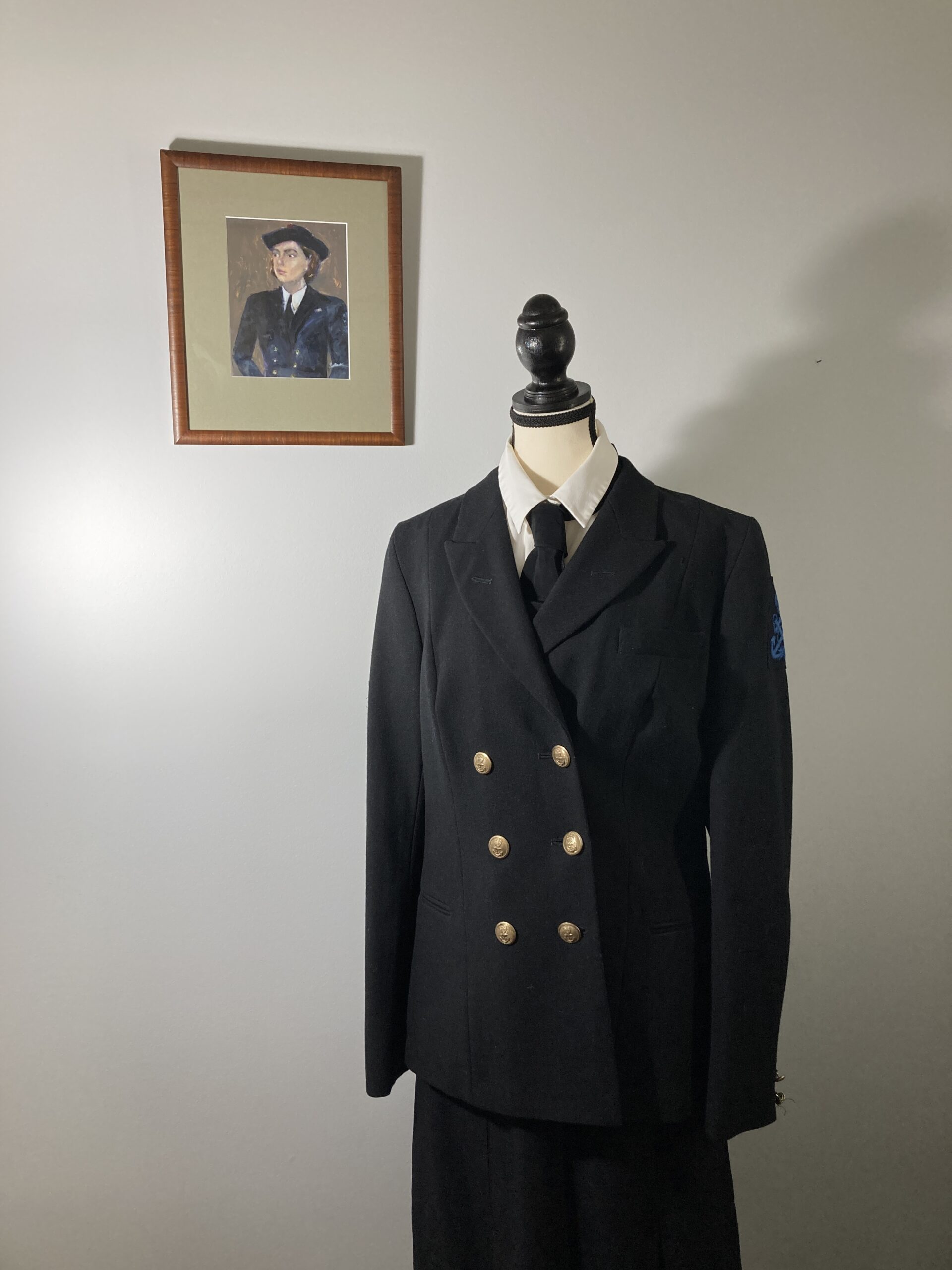
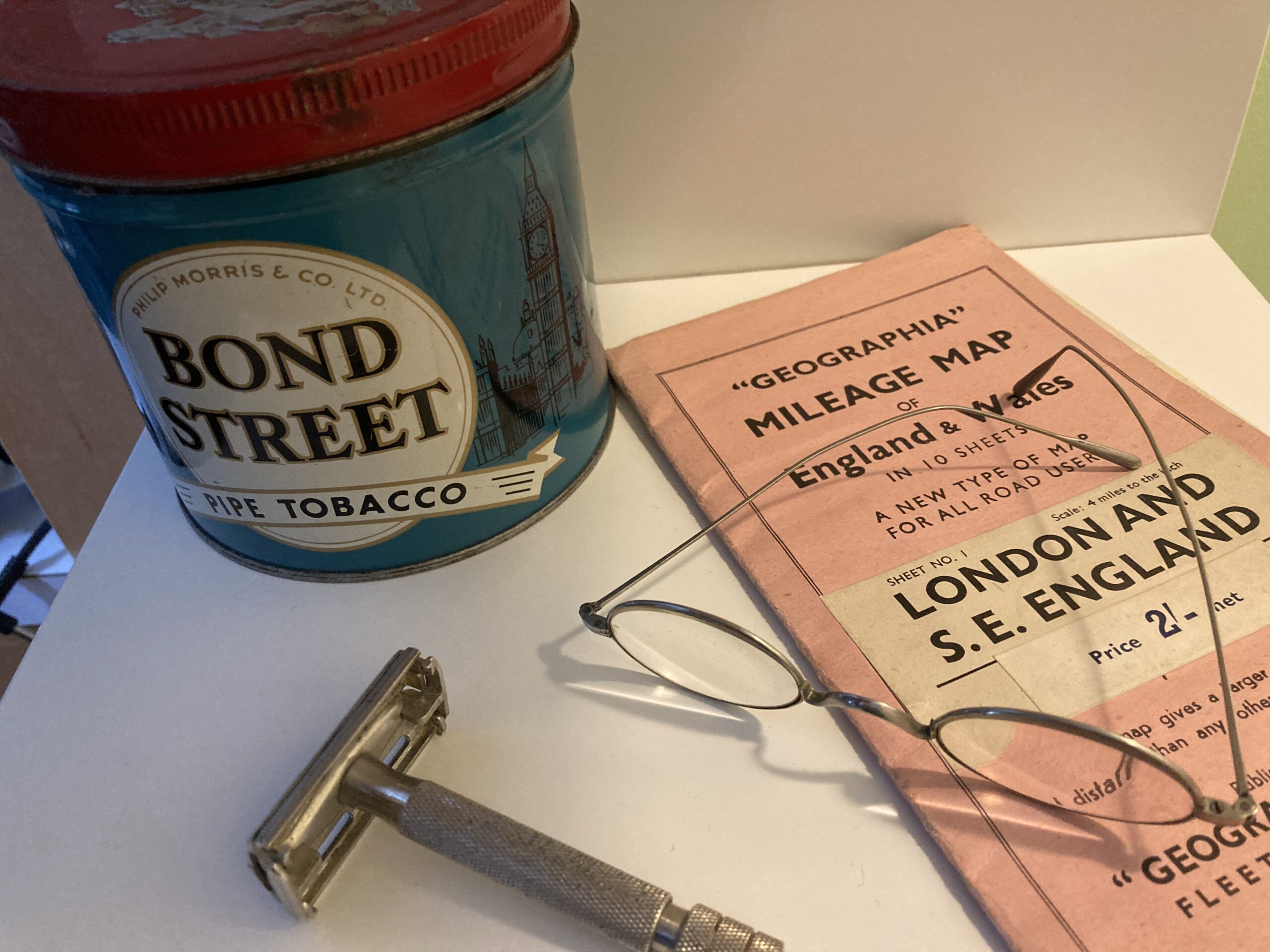
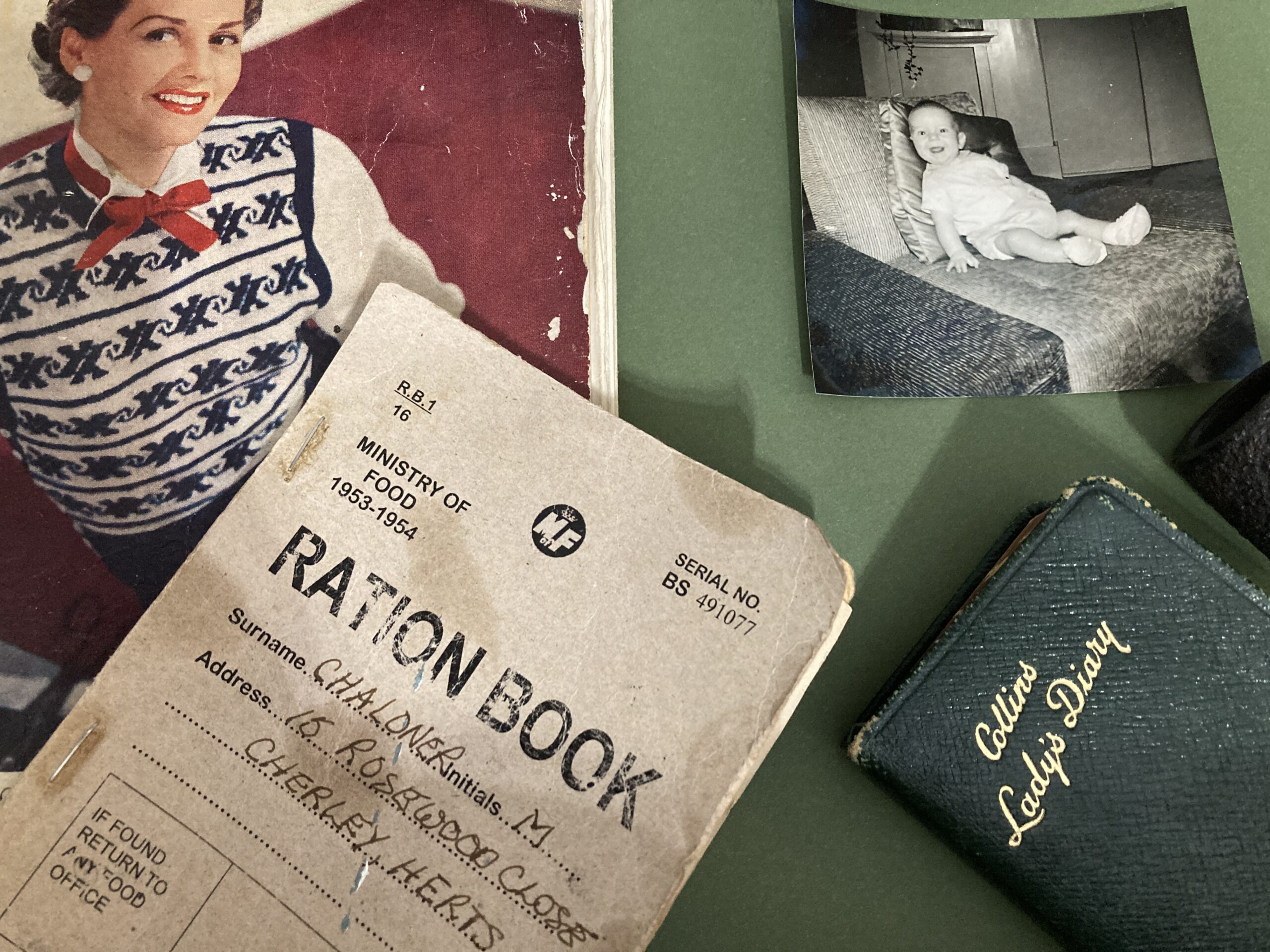 Debbie Marshall has collected household objects, clothing, uniforms, and medical records belonging to the fictional character of Margaret. Debbie has even written Margaret’s diary.
Rather than a prank or a hoax which are usually humorous and “short-lived actions” as Antoinette LaFarge describes them, “Fictive art projects tend to live longer in the shadows and are much more rarely targeted to embarrass someone. There is likewise a much stronger commitment to developing a rich and expansive central fiction and letting it evolve over time.”
The four pillars of fictive art according to Lafarge are: First, fictive art is visual art in any medium; second, it has a strong central fiction narrative; third, the project purports to be factual, not fictional; and fourth, the art objects and texts serve an “evidentiary purpose.”
The “intersection and interaction between the central fiction and the visual materiality is really crucial and so I don’t centre the literary in the way I talk about this work,” Lafarge said in an interview.
Just think about what fun you can now imagine while browsing in thrift shops or looking in the back of your cupboards to gather items for your own story. As Debbie Marshall did, you can even make that gathering a fictional part of the story. I do hope you can see her show!