
The word “discipline” is often mentioned when it comes to describing a writing practice. Writers give themselves a word count to aim for or a designated amount of time. I prefer the word “devotion.” The word “discipline” conjures up diligence and reprimand whereas “devotion” implies dedication, faithfulness as well as fondness.
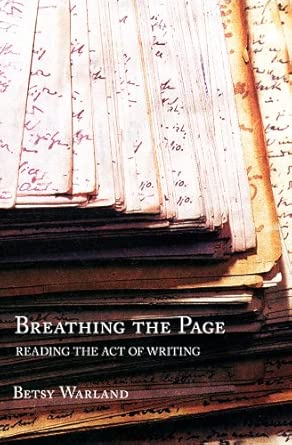 “Our methodology is not as important as our devotion,” Betsy Warland says in Breathing the Page: Reading the Act of Writing. When I read Betsy’s words, I heartily agreed.
My writing practice, to which I am devoted, includes lots of reading, attending workshops and retreats, meeting with other writers, imagining in all sorts of different forms, as well as writing.
Laraine Herring who wrote On Being Stuck, makes note of devotion as well: “If you choose writing as one of your acts of devotion, prepare to be a student of its wisdom as long as you show up for its gifts. Writing will put you forward into places you can’t yet see. It will bring with it the challenges you need to become more fully alive and awake. It will bring with it the obstacles you need to grow.”
Time without any obligations is important for writing as well as desire. Sometimes the desire doesn’t manifest into words on the page. It can mean ideas floating in the head. Quiet time is ideal for that sort of imagining and the forming of seeds that aren’t quite ready to blossom.
Imagining in the quiet we create for ourselves is just right for people who are “makers” as opposed to “producers.” We makers don’t have the need to always produce a physical product. Writing is so much about the process. Is this a book or is this an ongoing process, I asked myself recently.
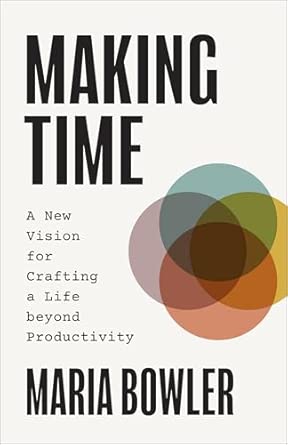 Makers and producers are described in Making Time: A New Vision for Crafting a Life Beyond Productivity by Maria Bowler. In my own mind, I think about makers and producers in terms of intentions versus goals. An intention is something to stretch towards, enjoying the process along the way, without an end product necessarily in mind. A goal means the future is the focus so that the producer’s current practice is all about the future rather than the present.
“Ironically, by being in touch with and acting from your true intentions, you become more effective in reaching your goals than when you act from wants and insecurities.,” says Phillip Moffitt in an article available online called “The Heart’s Intention.”
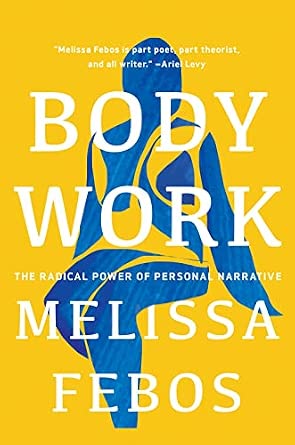 Melissa Febos referred to devotion as well in her book Body Work: The Radical Power of Personal Narrative: “I cannot imagine nurturing a devotion to any practice more consistently than one which yields the reward of transformation, the assurance of lovability, and the eradication of regret. No professional ambition could possibly matter more than the freedom to return, again and again.”
Consider your writing practice a much-valued friend. Even when we haven’t seen some beloved friends for awhile, we pick up where we left off when we see one another again.
 On Wednesday, September 16, 2026 from 10 a.m. to 11:30 a.m. Pacific, ’ll be facilitating a Writing Life women’s circle with the theme of “Writing as Devotion” on Zoom. A 21-page PDF workbook called Devotion & Delight: Honouring Your Writing Practice is available to those who sign up for the “Writing as Devotion” circle. You can find some more details about it as well as an earlier circle on Thursday, September 10, 2026 with the theme of “Permission to Create” and an October four-week series, here: https://www.maryannmoore.ca/circles/writing-life-circle-zoom/