The Nourished Writer: Be Part of a Community
Writing is a solitary practice that can really benefit from some time with other writers to receive encouragement and support for the passion you share.
When I facilitated a writing circle in Vernon, B.C. in the spring, I was glad to see poet Lesley-Anne Evans again after many years. She later wrote the following:
I met the lovely Mary Ann Moore many years ago when my neighbour, the poet Heidi Garnett generously invited me to Honeymoon Bay for a poetry retreat with poet Patrick Lane. What a lovely ripple that was.
I recently attended a writing circle that Mary Ann offered at the Vernon Public Library (Okanagan Regional Library) It was a heart-centred, delightful time, with some attendees who had never written a line of poetry before. But this wasn’t about writing poems, rather it was about self-reflection, finding the beloved in ourselves and expressing that in a safe place where nothing is discounted. A good good work.
I very much appreciate Lesley-Anne’s comments, a reminder of the wonderful times we had writing in community on Vancouver Island and learning from master poet Patrick Lane. I also appreciate how Lesley-Anne honoured the time she and I spent with others in self-reflection and “finding the beloved in ourselves.” The safe place is one we create together and I’m glad that Lesley-Anne found that to be the case.
“Friendship and community are the first medicines we require in the Long Dark,” Francis Weller says in his book In the Absence of the Ordinary: Soul Work for Times of Uncertainty. The “Long Dark” is his term for the times we are living in now.
As writers we are all part of a larger community of writers. Gathering with some of them is an enlivening way to support your own practice.
I’ve been facilitating writing circles since 1997 and have come up with what I call The Creative Components of a Circle.
Compassion is a component of a circle created with intention. Pema Chodron describes compassion as “not a relationship between the healer and the wounded. It’s a relationship between equals. Only when we know our own darkness well can we be present with the darkness of others. Compassion becomes real when we recognize our shared humanity.” (The Places That Scare You: A Guide to Fearlessness in Difficult Times)
Community
Imagine what it would be like to be in a place where we get to live up to our full potential and are supported for it. In the circle, we learn what it’s like to be all we can be through the writing we do and the insights we share.
Container
The circle is a container for sharing stories and with guidelines we can create a necessary structure. As Christina Baldwin wrote in Storycatcher: Making Sense of Our Lives through the Power and Practice of Story:
Story space looks casual when everything is going along compatibly, but when painful stories come forward to be held by a community, we need structure in the space, just as we need structure in the story. We cannot follow the story if it loses its narrative thread; we cannot hold the space if it has not been laid down with intention.
In the writing circles I facilitate, I follow Circle Guidelines from Calling the Circle: The First and Future Culture by Christina Baldwin.
Conversation
We need to sit down and listen, not talk louder, but more quietly, and to do that we need one another’s help.
Creativity
In the Writing Life women’s circles I facilitate as well as all the others I’ve offered through the years, creativity is evident in the activities we engage in. Using lines of other writers as prompts, objects, music, images can help as well as the alchemy created because we’re together. Gathering with others offers an opportunity to share what you’ve been working on or proudly declaring that you’ve been continuing your writing practice.
Ceremony
An important aspect of one’s solitary writing practice as well as in the circle is ceremony. In a circle as stories are shared and issues discussed, we enter the realm of the sacred. The candle is lit. Some incense or sage may be burning. Also in the centre of the circle is a “talking piece,” and the Tibetan ting sha that I ring for the intentional beginning of our circle.
Celebration
There’s a need in our society to honour ourselves and that can be done in the circle to acknowledge someone’s birthday or other rites of passage. When it comes to writing together in the circle, we comment on what resonated with us, echoing back words and phrases. An atmosphere of celebration helps us continue, go deeper, feel good about immersing ourselves in our life stories and gaining insight there.
Composting
What we may see as scraps for the compost pile can become nourishing for the soil/soul. Words become sentences, paragraphs, chapters – a book. The ideas percolate for awhile and as various elements come in to assist them, sparkling imaginings result. Out of what may have seemed like wasted time are the ideas, the daydreams that lead you to the stories waiting to be told.
Coming Home
Sitting in a circle with others where you can be with whatever feelings you are having at the time is a gift to you and your circle companions. Simply sitting and listening to ourselves can bring us home to ourselves. That connection to ourselves helps us to reach out and listen to others, to welcome them into the special place we create together.
Centre
As we look to the centre of ourselves, we look to the centre of the circle for strength, guidance, and wisdom. The centre is a great spirit. It’s like the middle of the day, the middle of everything. A time of opportunity and a time of crisis. In the centre is the beginning, the end and the void.
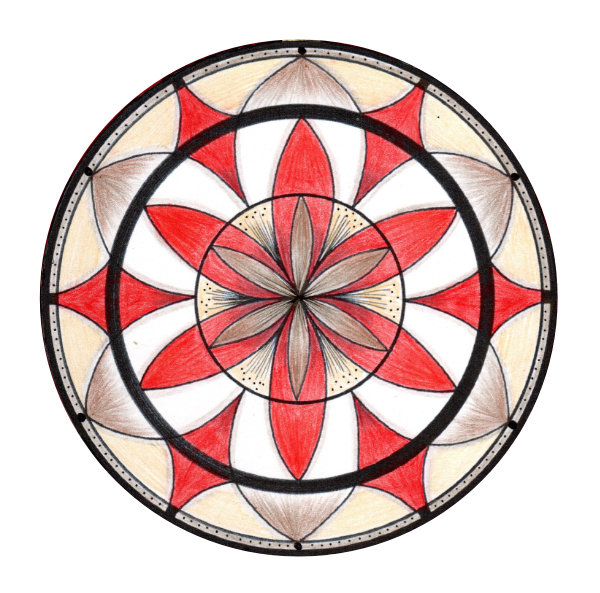
The circle with its various components is like a flower with the petals making up the whole bloom. The circle is a community that honours intentional conversation, a rich environment for creativity and composting.
I’ve been offering writing circles for almost thirty years and nowadays I’m glad I can connect with people near and far via Zoom.
From October 6 to 27, 2026, I’ll be offering a Writing Life women’s circle called “In Your Own Words” for four Tuesdays on Zoom). The time is 10 a.m. to 11:30 a.m. Pacific. You’re welcome to join with whatever writing experience you have. We’ll write from our lives and create writing lives. You’ll find the topics for each week and further information here:
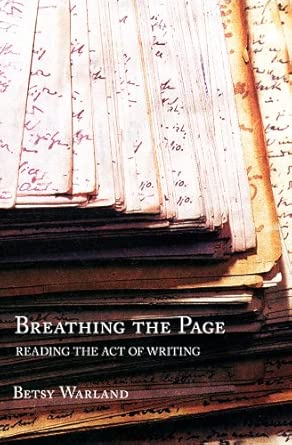 “Our methodology is not as important as our devotion,” Betsy Warland says in Breathing the Page: Reading the Act of Writing. When I read Betsy’s words, I heartily agreed.
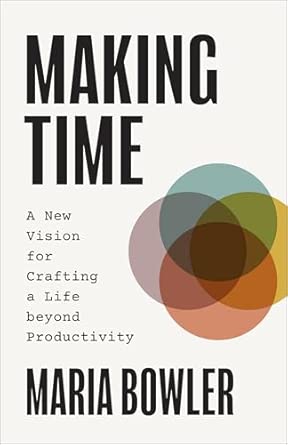 Makers and producers are described in Making Time: A New Vision for Crafting a Life Beyond Productivity by Maria Bowler. In my own mind, I think about makers and producers in terms of intentions versus goals. An intention is something to stretch towards, enjoying the process along the way, without an end product necessarily in mind. A goal means the future is the focus so that the producer’s current practice is all about the future rather than the present.
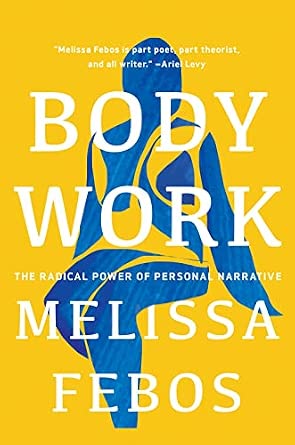 Melissa Febos referred to devotion as well in her book Body Work: The Radical Power of Personal Narrative: “I cannot imagine nurturing a devotion to any practice more consistently than one which yields the reward of transformation, the assurance of lovability, and the eradication of regret. No professional ambition could possibly matter more than the freedom to return, again and again.”
 On Wednesday, September 16, 2026 from 10 a.m. to 11:30 a.m. Pacific, ’ll be facilitating a Writing Life women’s circle with the theme of “Writing as Devotion” on Zoom. A 21-page PDF workbook called Devotion & Delight: Honouring Your Writing Practice is available to those who sign up for the “Writing as Devotion” circle. You can find some more details about it as well as an earlier circle on Thursday, September 10, 2026 with the theme of “Permission to Create” and an October four-week series, here:
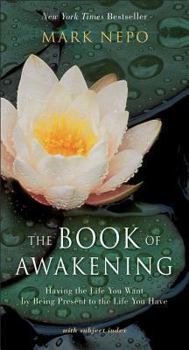 Earlier that year (2016), Susan said she had a “real epiphany.” She set herself a task of writing a poem a day first thing in the morning. She was inspired by a daily reading from Mark Nepo’s The Book of Awakening. Susan chose one word or phrase in the teaching, and wrote whatever was triggered by that word or words. She gave herself permission to write what she wanted to “even if it verges on the sentimental or self-indulgent, whatever. The astonishing thing is, I’ve had a whole month without being depressed. This is a rare occurrence for me. What’s even more astonishing is that I should be so surprised. I’ve known, since I was fourteen, that poetry keeps me ‘sane.’ Why do I forget, time after time, what it is I need to do?”
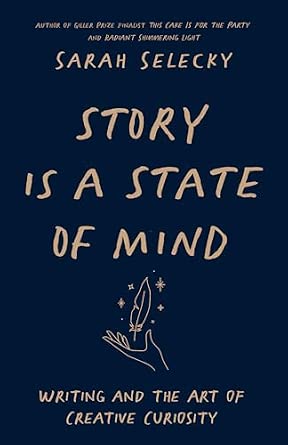 Sarah Selecky, in her book Story is a State of Mind: Writing and the Art of Creative Curiosity, writes about “tracking progress” which, in one form, on some days, could be tracking your insights. It may be you have gained insight on a walk, while watching a movie, or ordering something at your local café. Reading books has offered me the most insight. I do a lot of post-it flagging in books as well as pencil marks, if I own the book, and I always make copious notes.
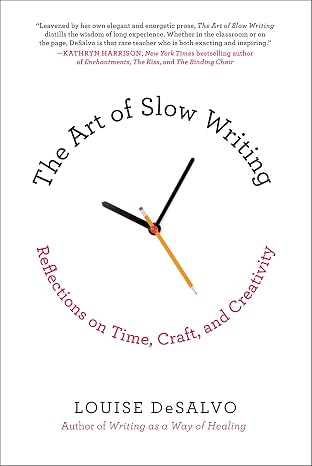 The late Louise DeSalvo says in her book The Art of Slow Writing: Reflections on Time, Craft, and Creativity: “One of the most important items in my writer’s toolbox is my process journal.” She had first learned about keeping one when she heard about Sue Grafton, author of the Kinsey Milhone mysteries, saying at a talk she gave that she kept a separate journal for each novel.
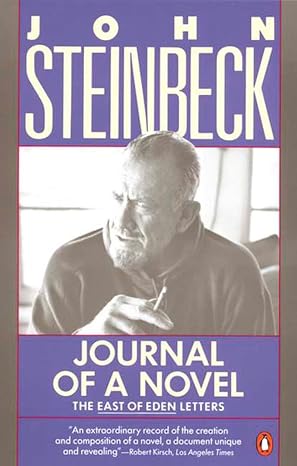 Journal of a Novel: The East of Eden letters, first published in 1969, contains letters John Steinbeck wrote to Pascal Covici, his friend and editor at The Viking Press. The letters were a way for Steinbeck to warm up to his day’s writing. He would write the letters on the left-hand page of a notebook with the facing pages filled with the text of East of Eden.
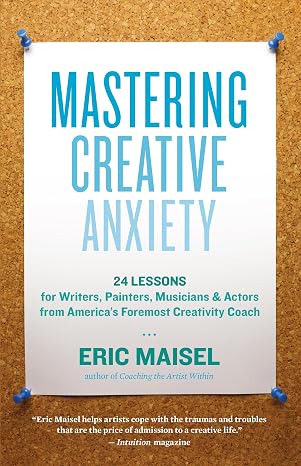 One of his “Twenty-Two Techniques for Mastering Anxiety” is Ceremonies and Rituals. He believes “creating and using a ceremony or ritual is a simple but powerful way to reduce anxiety.”
 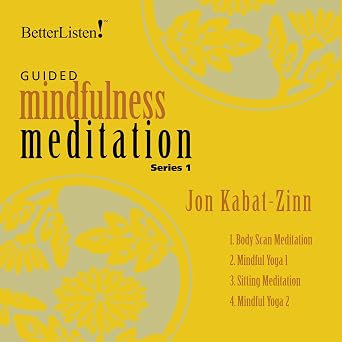 I’m a fan of the work of Jon Kabat-Zinn who developed Mindfulness-Based Stress Reduction. My favourite is the body scan for deep relaxation included on his Mindfulness Meditation CDs. Listening to his voice helps to give me permission to take time for myself away from interruptions. Without the CD, you can simply lie on the floor and drop into it, letting every part of you relax. Savassana, the corpse pose in yoga, is a beautiful way to let go. (Yes, I still have these CDs!)
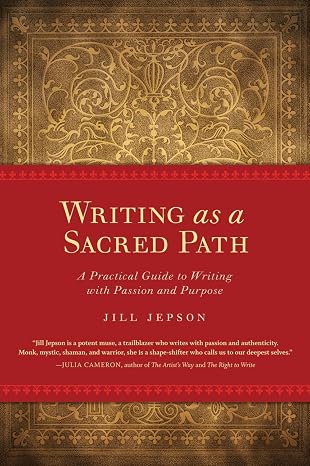 “Envisioning your story as your personal gift is an acknowledgement of the significance and beauty of the work you are doing,” says Jill Jepson who wrote Writing as a Sacred Path: A Practical Guide to Writing with Passion and Purpose.
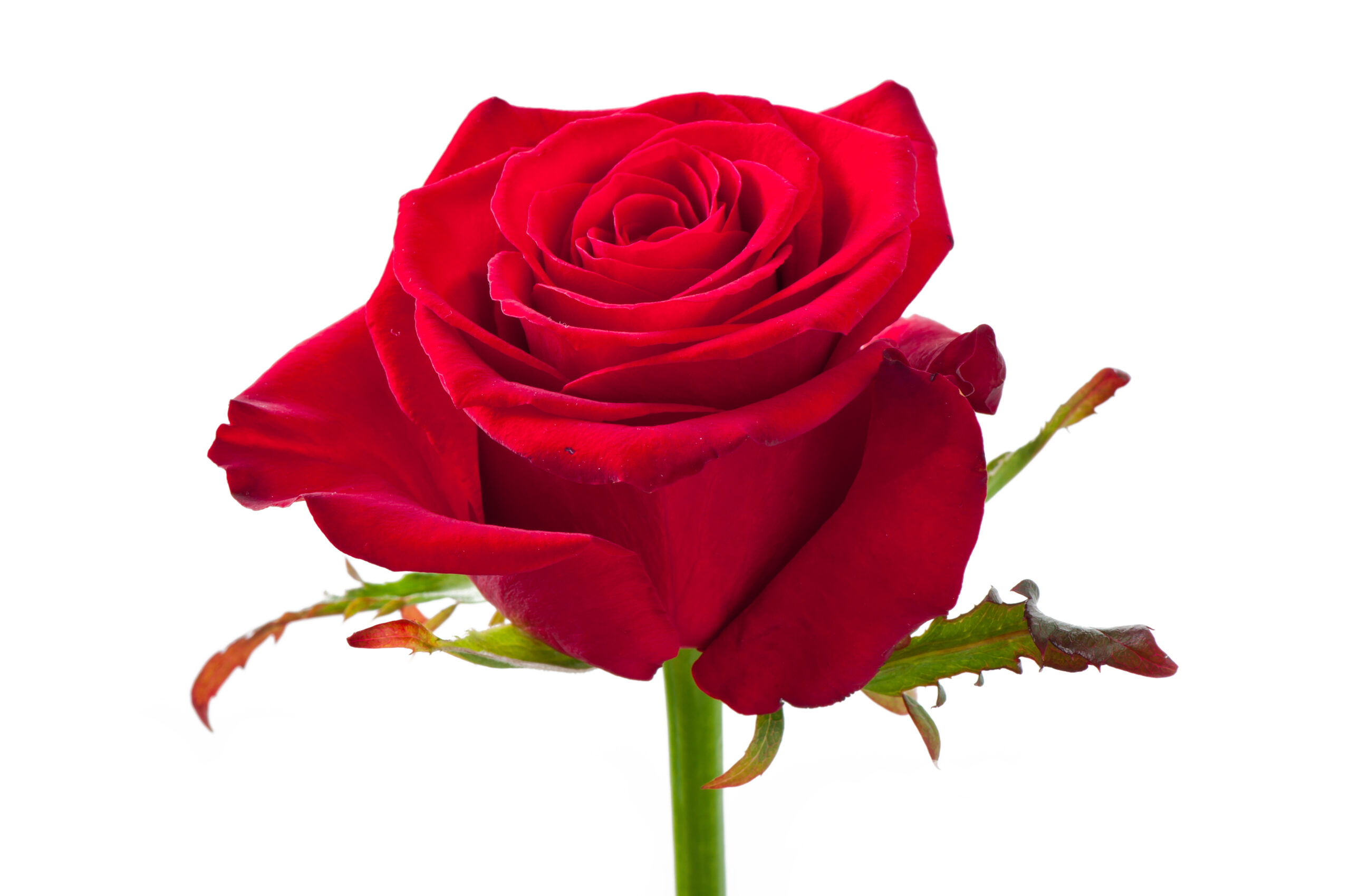 Today, like every other day, we wake up empty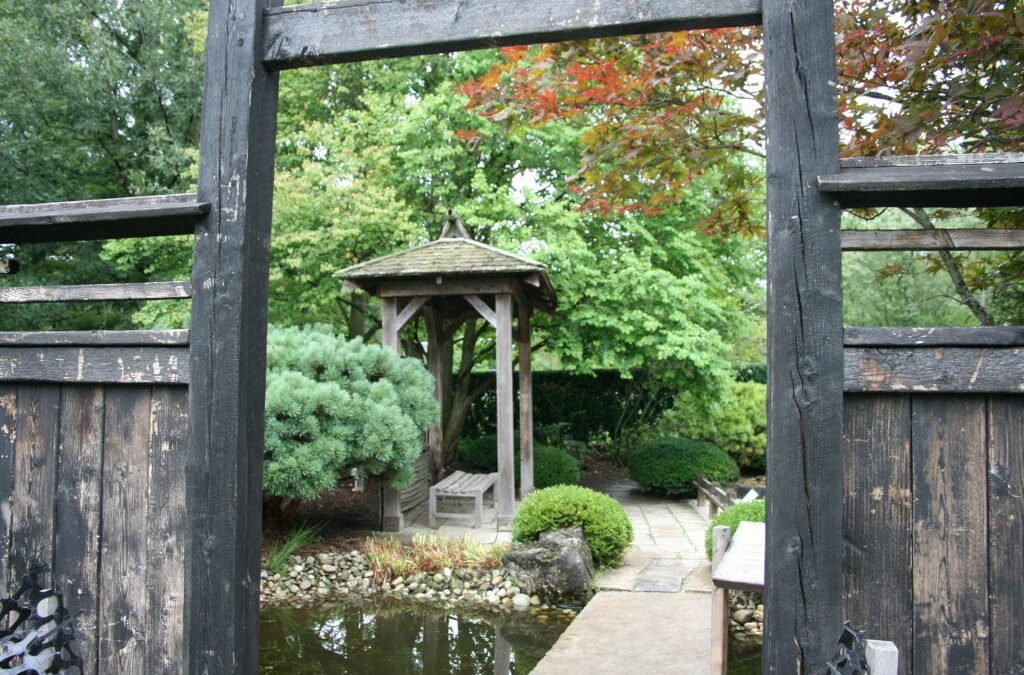
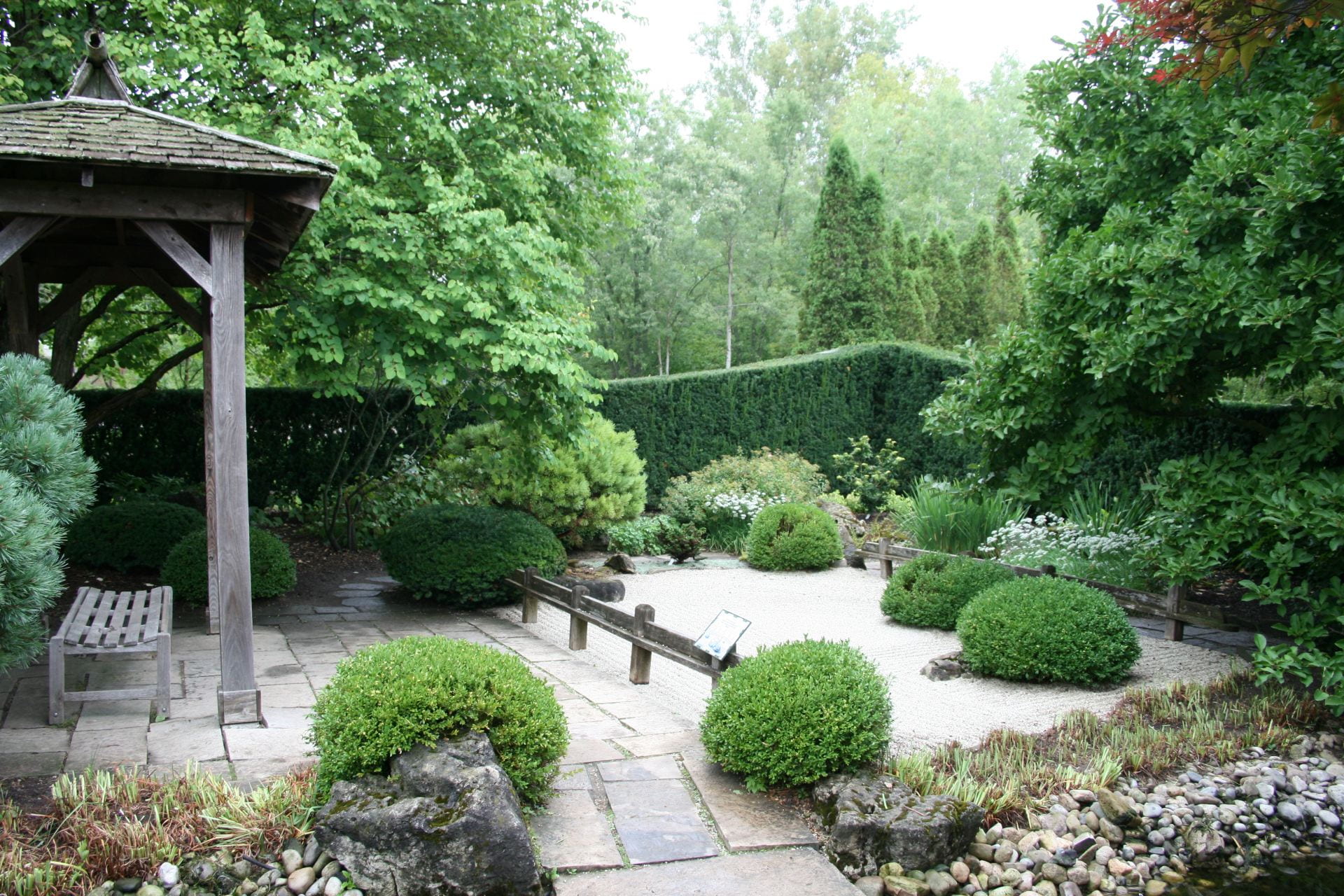 The small tea house represents a small building in a tea garden designed to hold a tea ceremony called cha-no-yu. As an invited guest, you would wait on the bench until summoned by the host. Sitting on the bench, you could take in the surrounding garden such as the dry garden of gravel representing a body of water with three islands. The pattern of raked gravel mirrors the rippling water in the pool.
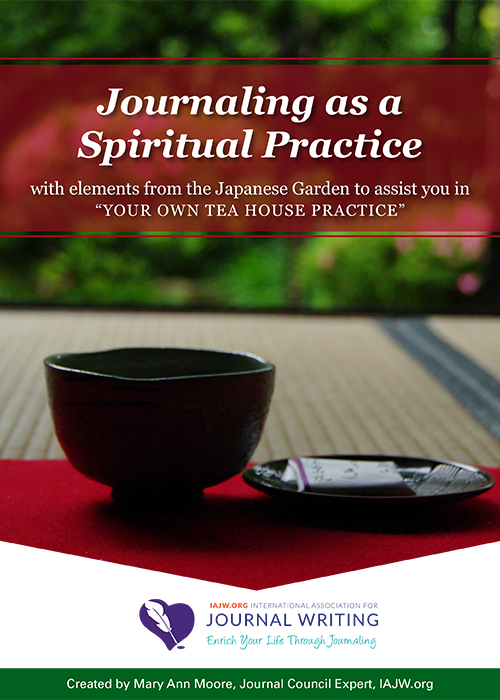 There are more steps, prompts and questions in my downloadable workbook called Journaling as a Spiritual Practice: Your Own Tea House Practice available from the International Association for Journal Writing (iajw.org).