Susannah M. Smith’s novel, The Alchemy of Paradise, begins with an epigraph by German philosopher Friedrich Nietzsche:
What have you truly loved thus far? What has ever uplifted your soul, what has dominated and delighted it at the same time? Assemble these revered objects in a row before you and perhaps they will reveal a law by their nature and their order: the fundamental law of your very self. Compare these objects, see how they complement, enlarge, outdo, transfigure one another; how they form a ladder on whose steps you have been climbing up to yourself so far . . .
In the prologue to the book, Smith’s narrator, a curator, describes herself as writing a collection of “dream stories” that “slowly became an advent calendar in the shape of a book – a glimpse inside each enclosure revealed a world evoked through the act of writing.”
Smith’s fictional curator lives in contemporary England and wrote The Fairy Tale Museum, which is the title of Smith’s earlier book. (Both books are from Invisible Publishing; Smith lives in Vancouver.)
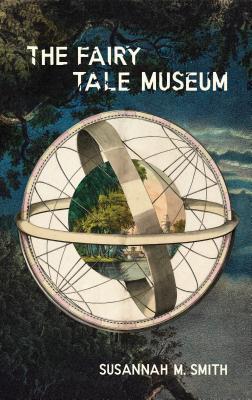 The Fairy Tale Museum begins with “Instructions for Collectors.” Among the seven instructions is:
Always listen to and follow the thread of what attracts you, what ignites your curiosity. For example, the enchantment of drawers, the nesting of artifacts inside boxes, the joy of the secret wardrobe, the home inside the home inside the home – such delicious pleasures. Your yes is your guiding light.
And this one:
Your collection tells a story. In this collection, you can be anyone you want to be.
In my last blog, I referred to Orhan Pamuk, author of The Museum of Innocence, a novel. Pamuk collected items by looking in secondhand shops and flea markets as well as “the homes of acquaintances who liked to hoard things” for his fictitious family. His collected objects led to the imagining of “situations, moments, and scenes suited to these objects . . . “ (from The Naive and the Sentimental Novelist by Orhan Pamuk.) Those collected objects are housed in The Museum of Innocence, Istanbul.
What a fascinating approach to writing fiction. If you have a character already, take them out for a walk to look for treasures. Some lost or discarded objects may be sitting by the roadside or on the sidewalk. Some years ago, I saw a bowl, tarot cards, a new shoe, an old toaster on sidewalks and garden walls while staying in Victoria, B.C.
Gathering items that belonged to your family or thinking about them, will help you write about the people who are the real life characters of your poetry or prose pieces.
What objects could become your memory prompts? “Every collection is a theater of memories, a dramatization and a mise-en-scene of personal and collective pasts, of a remembered childhood and of remembrance after death,” says Philipp Blom, author of To Have and to Hold: An Intimate History of Collectors and Collecting as quoted in The Memory Palace, a memoir by Mira Bartok.
Some museums would have started with personal collections of ceramics, shoes, textiles for instance. In Zagreb, Croatia, there’s a museum of lost love with a couple’s collection of their possessions.Leslie Jamison’s essay, “Museum of Broken Hearts,” describes The Museum of Broken Relationships created by Olinka Vistica and Drazen Grubisic who ended their relationship in 2003. They found it difficult to divide their possessions and over a decade later found a home for their permanent exhibition which began as an installation at an art festival.
Jamison was inspired to write descriptions from her own life such as: “Exhibit 6: Paisley Shirt, San Francisco, California. It was sometime in 1967. We bought our paisley shirts from an outdoor rack in Haight-Ashbury. This was in the heady days of our relationship . . . “ (From Make It Scream Make It Burn, essays by Leslie Jamison.)
Poet and memoirist Carolyn Forché didn’t open a museum for visitors but when organizing and sorting through things while at home during Covid, she thought about her “museum of life” as described in her article in The New Yorker.
Here’s an excerpt from her poem “Museum of Stones”:
These are your stones, assembled in matchbox and tin,
collected from roadside, culvert, and viaduct,
battlefield, threshing floor, basilica, abattoir –
stones, loosened by tanks in the streets
from a city whose earliest map was drawn in ink on linen,
schoolyard stones in the hand of a corpse,
pebble from Apollinaire’s oui,
stone of the mind within us
carried from one silence to another . . .
Carolyn Forché, from “Museum of Stones”
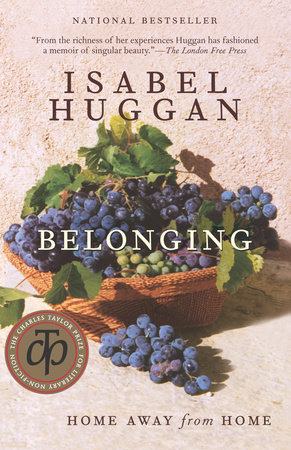 One recollection leads me to another – Isabel Huggan’s memoir: Belonging: Home Away from Home. Huggan includes some fiction in her memoir such as “Starting with the Chair” in which the narrator describes objects she carries from place to place as “talismans against my own oblivion.” The writer, Huggan, is very attached to her basket of pretty stones, the bowl of seashells, and the box of letters she takes with her to each new place. She describes them as “silent stories of who you are.”
In her chapter, “Saving Stones, Huggan describes the odds and ends she has collected through the years. She finds them comforting, a way to establish place no matter where she happens to be living. “Emotional furnishings” is how she describes the things as besides their material presence, she is offered memories to prompt her writing.
One of the instructions for collectors in The Fairy Tale Museum is: “Be ready to let everything go. The collection is meant to be shared. It starts its life with you and then you hand it over to other minds, other imaginations.”
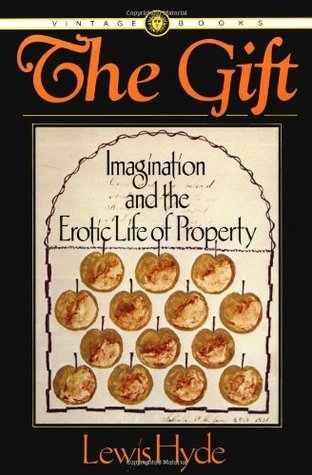
I’m reminded of The Gift: Imagination and the Erotic Life of Property by Lewis Hyde in which he writes about works of art as gifts rather than commodities. While a work of art can exist in a market economy, it is the “gift economy” that is essential.
The instinct of capitalists going back a very long time has been to “remove property from circulation, to put it in a warehouse or museum (or, more to the point for capitalism, to lay it aside to be used for production)” Tribal peoples “understood a cardinal property of the gift: whatever we have been given is supposed to be given away again, not kept.” When passing along a gift, it’s best if it is given to a third party. “The only essential is this: the gift must always move.”
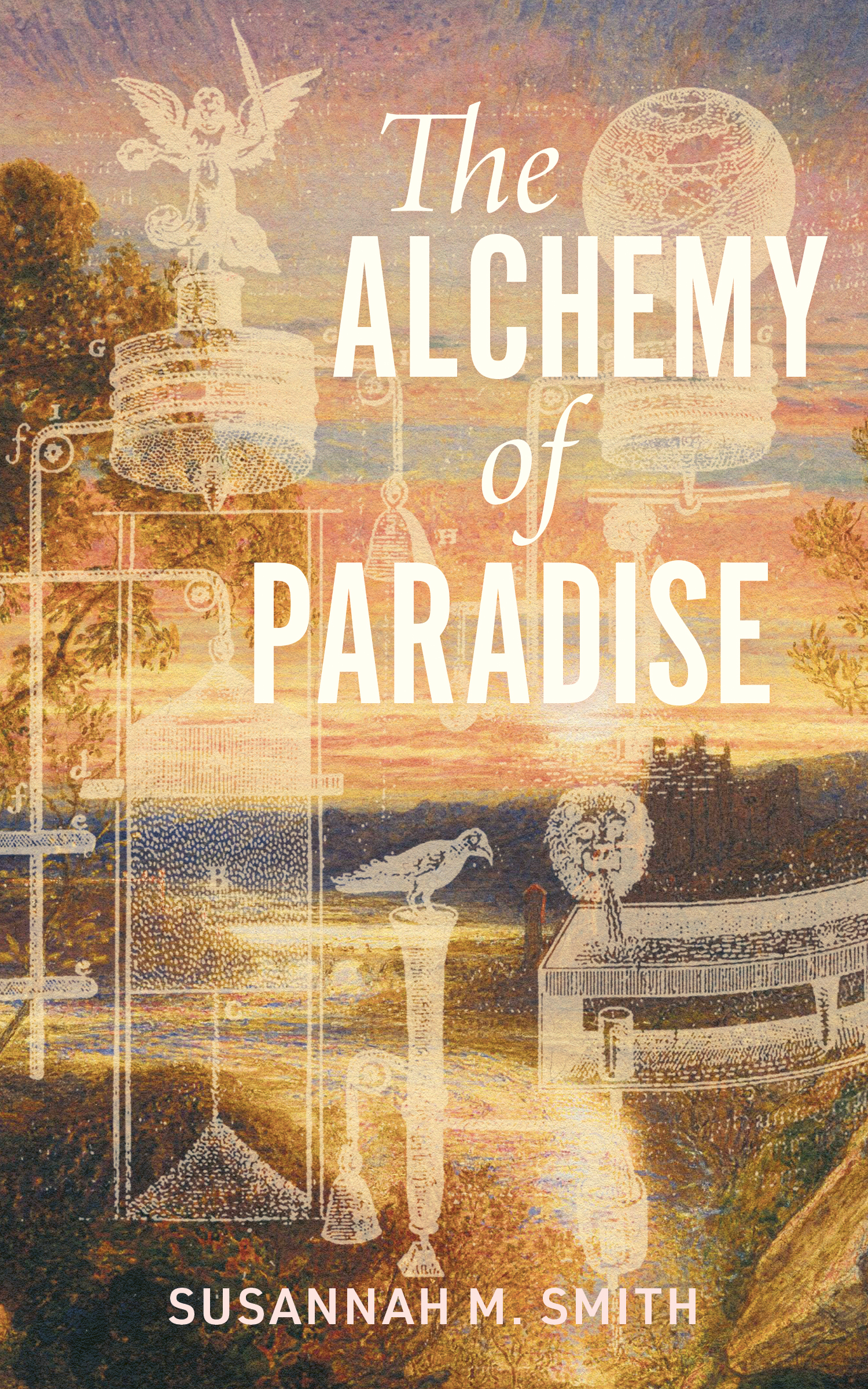 Susannah M. Smith’s narrator in The Alchemy of Paradise is part of a “family of collectors” and has “loved assembling objects, artworks, and ideas together to draw attention to them.” She asks many questions such as these “worth considering” in the chapter “The Purpose of Art.”
What if life is the Grand Tour?
What if your life in particular is a curiosity cabinet,
and it is your job to collect all the beautiful things?
What if ideas are the root of all things?
What if your ‘work’ is to seek the beautiful ideas
and collect them and revel in them and keep directing
and redirecting your mind and spirit toward
these objects of beauty?
My personal museum once had a collection of dolls from different countries, racks of coffee spoons, mermaids of all sorts, and many rubber stamps. When writing about my collection these days I thought of inherited things, long-lasting things, paper things as well as things that are gone.
Inherited Things
A quilt made of Grandma’s old housedresses,
the cutlery we use every day once belonging to Mum,
one of Dad’s soapstone carvings,
his photo albums.
Long-lasting Things
The desk with its drawers and drop-down leaf where I did homework in my younger years, hid a pack of cigarettes in one of the drawers as a teenager. Mum didn’t seem to care about me smoking. She didn’t like the lie.
There are hidden histories through objects, my friend Debbie Marshall says. I’ll be telling you about Debbie and her work in blogs to come. (Debbie’s business card describes herself as Curator, Museum of Feminist Artchives.)
“Your objects are quietly telling your story,” says Donna Watson who offers art courses through Take Two, online.
I can imagine assembling “revered objects in a row” as Nietzsche advised. Think of the story you can tell as you look at and hold each thing. Rather than a chronological order, arrange the objects in their own unique way, see how they relate to one another and “transfigure one another”.
And to end, a question from The Alchemy of Paradise:
What is the legacy you will leave
when your tour comes to a close?
While that is one of the questions, Susannah M. Smith’s character believes is worth considering, I’ll leave you with some words from Mary Oliver popular poem, “Wild Geese.”:
Whoever you are, no matter how lonely,
the world offers itself to your imagination,
calls to you like the wild geese, harsh and exciting
over and over announcing your place
in the family of things.

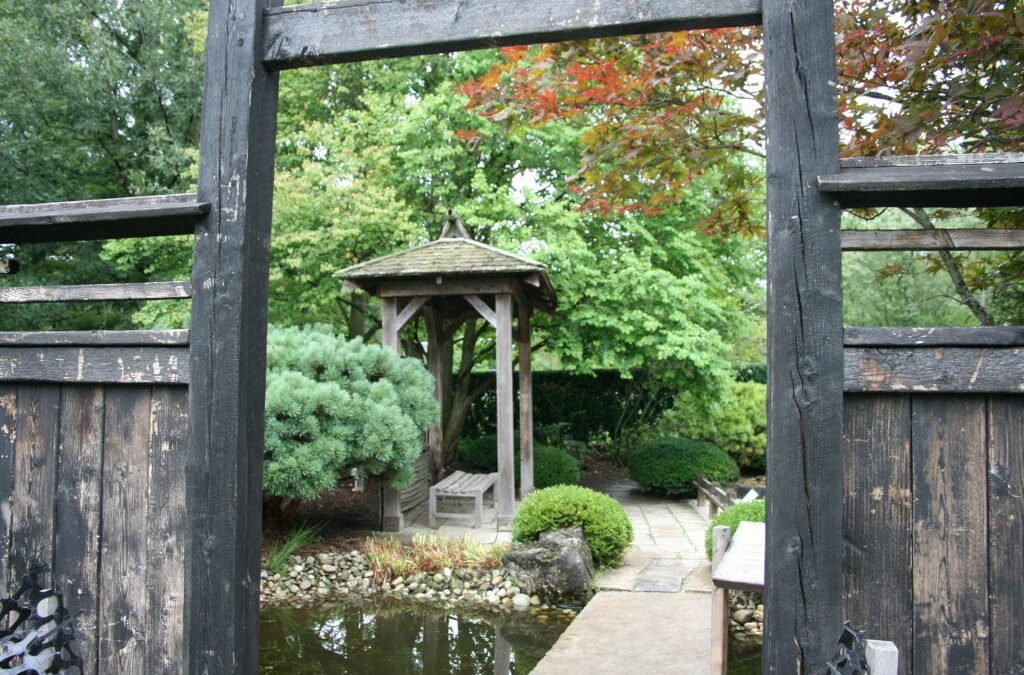
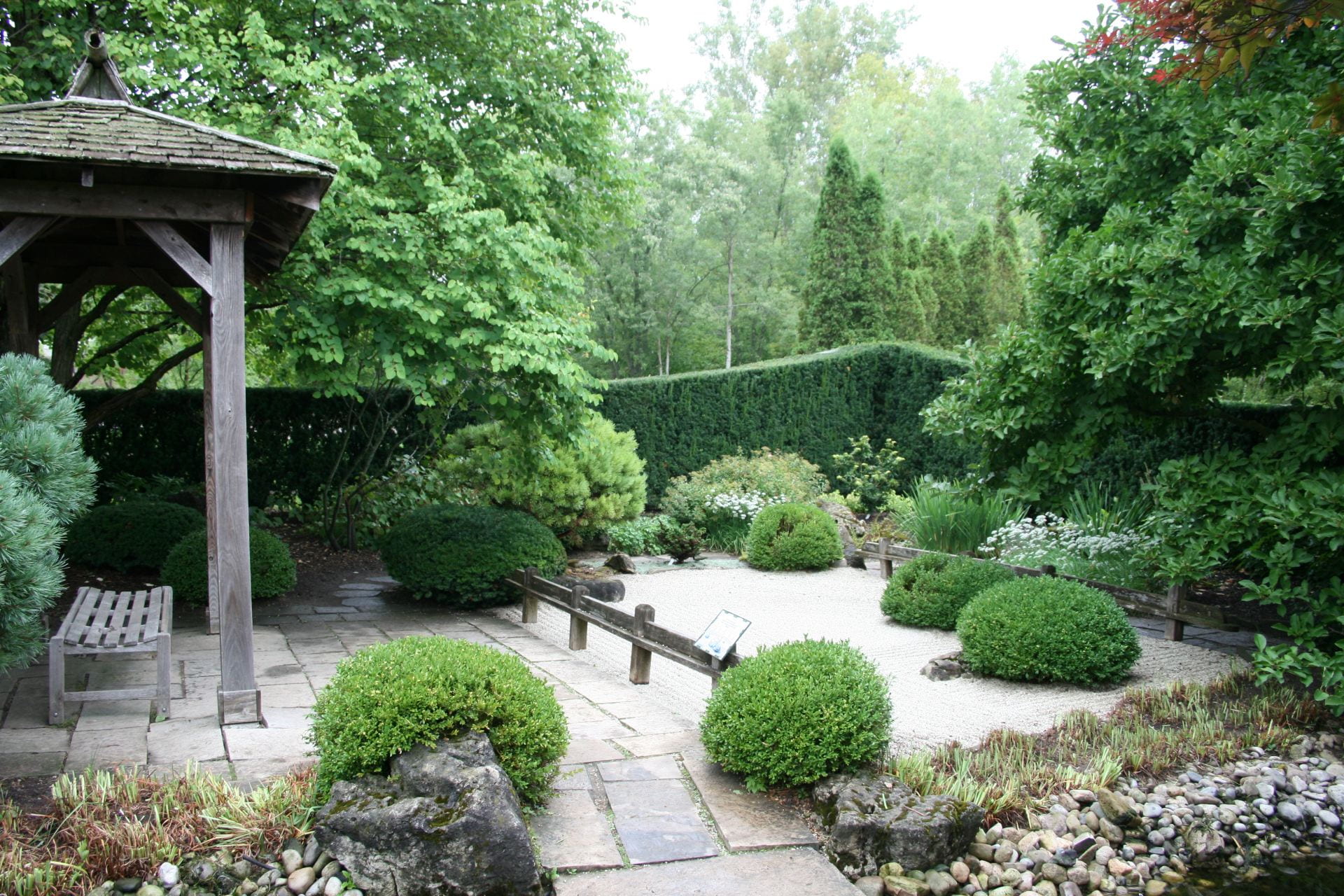 The small tea house represents a small building in a tea garden designed to hold a tea ceremony called cha-no-yu. As an invited guest, you would wait on the bench until summoned by the host. Sitting on the bench, you could take in the surrounding garden such as the dry garden of gravel representing a body of water with three islands. The pattern of raked gravel mirrors the rippling water in the pool.
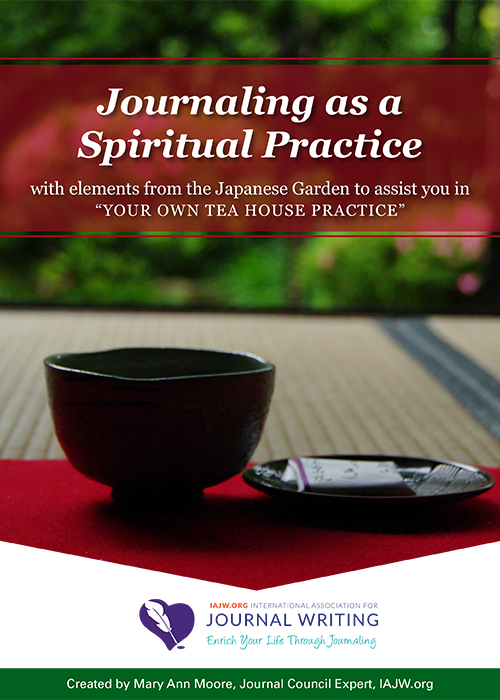 There are more steps, prompts and questions in my downloadable workbook called Journaling as a Spiritual Practice: Your Own Tea House Practice available from the International Association for Journal Writing (iajw.org).
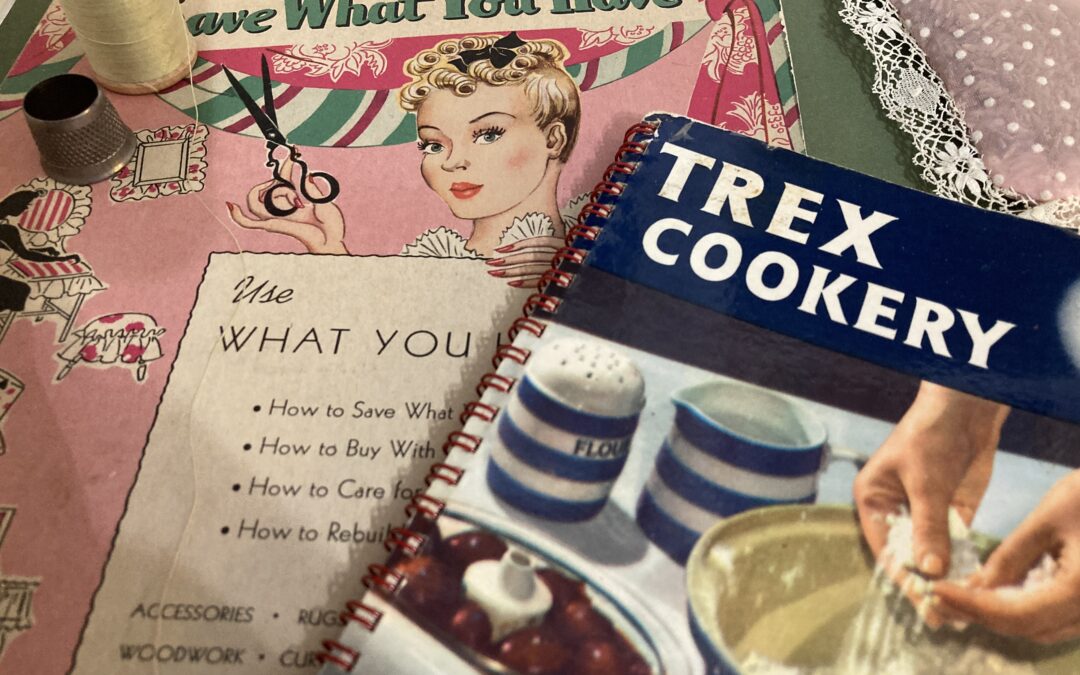
 Debbie has been a journalist and for several years worked on projects highlighting the work of women during wartime. She is the author of two non-fiction books: Give Your Other Vote to the Sister: A Woman’s Journey into The Great War and Firing Lines: Three Women Write the First World War.
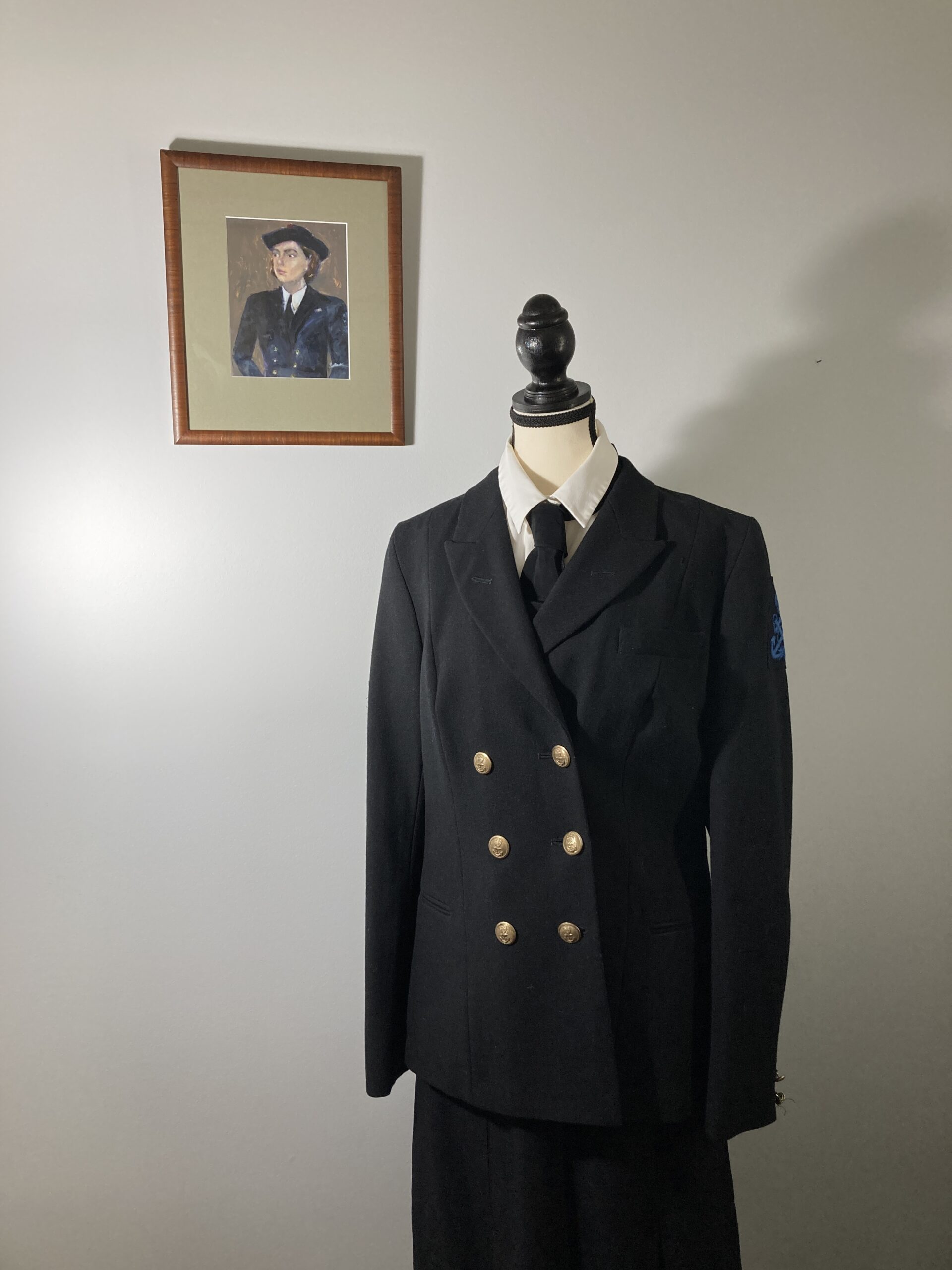
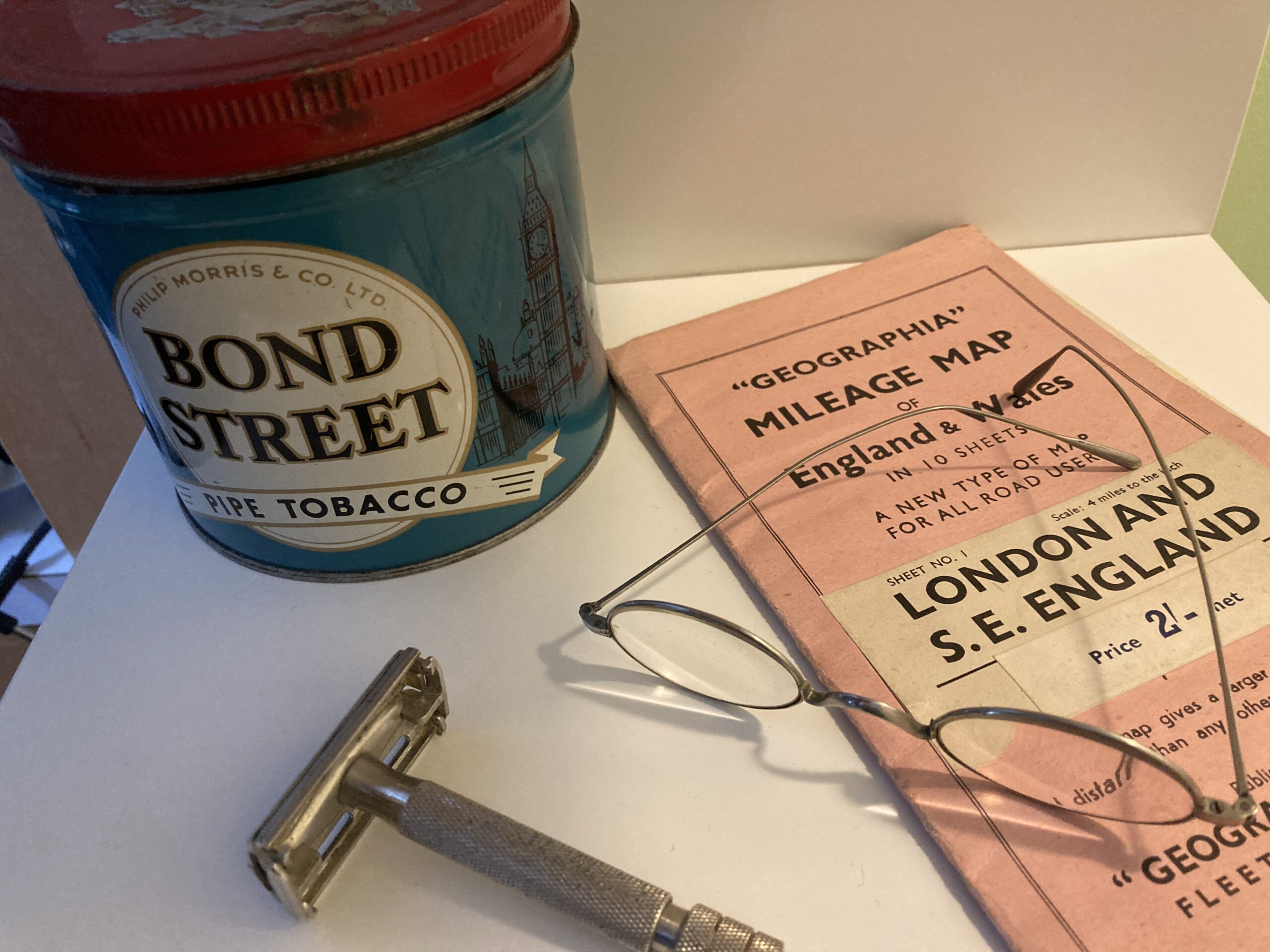 When it came to her latest work, “My Name is Margaret,” Debbie explored wartime trauma, mental illness and recovery with mental health being a major theme running through the displays. What makes this project different from Debbie’s nonfiction books is that from her research into the impact of war on women’s mental and emotional health, Debbie created Margaret’s life. Yes, Margaret is a fictional character, a composite of many women in postwar Britain.
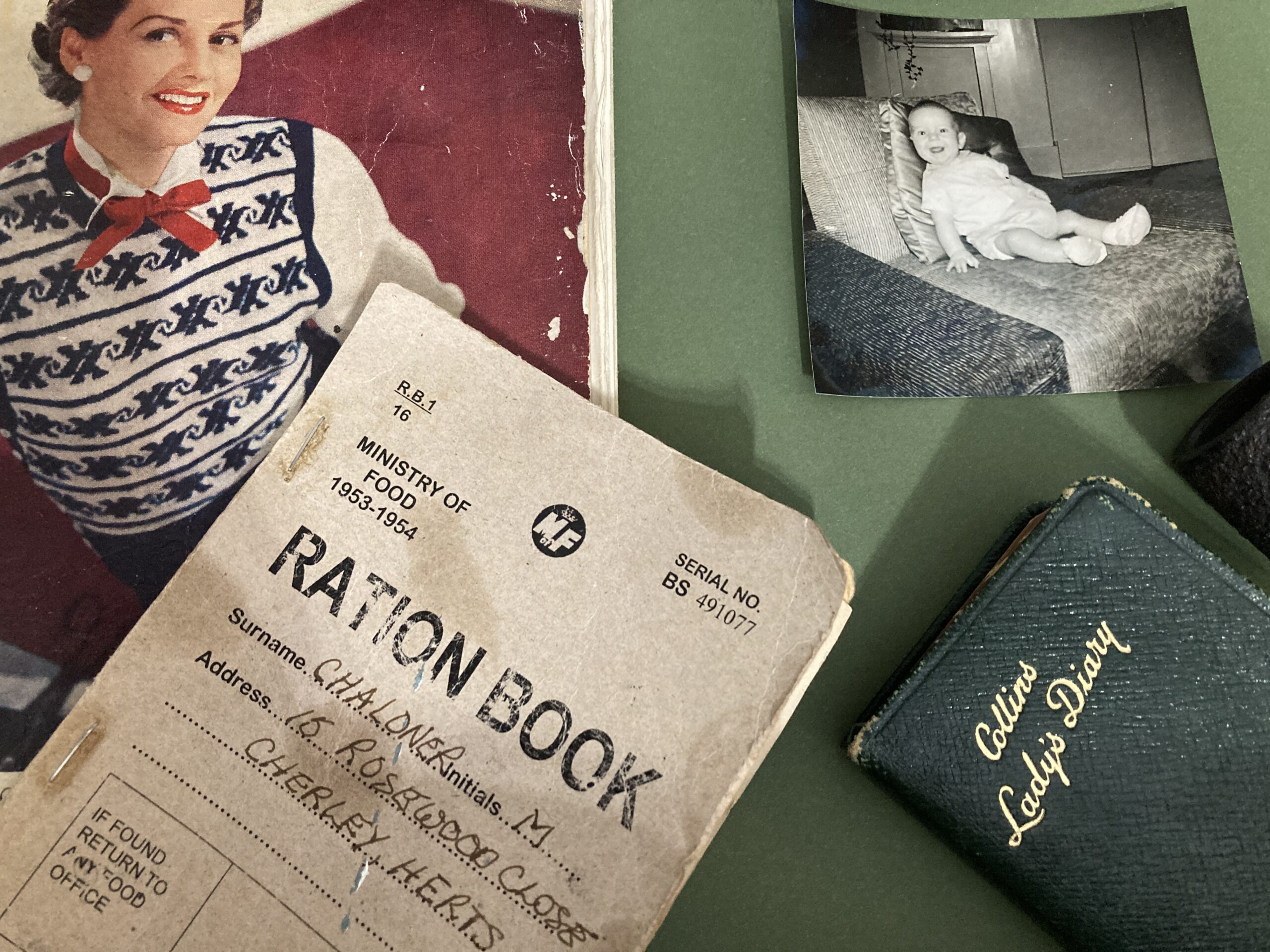 Debbie Marshall has collected household objects, clothing, uniforms, and medical records belonging to the fictional character of Margaret. Debbie has even written Margaret’s diary.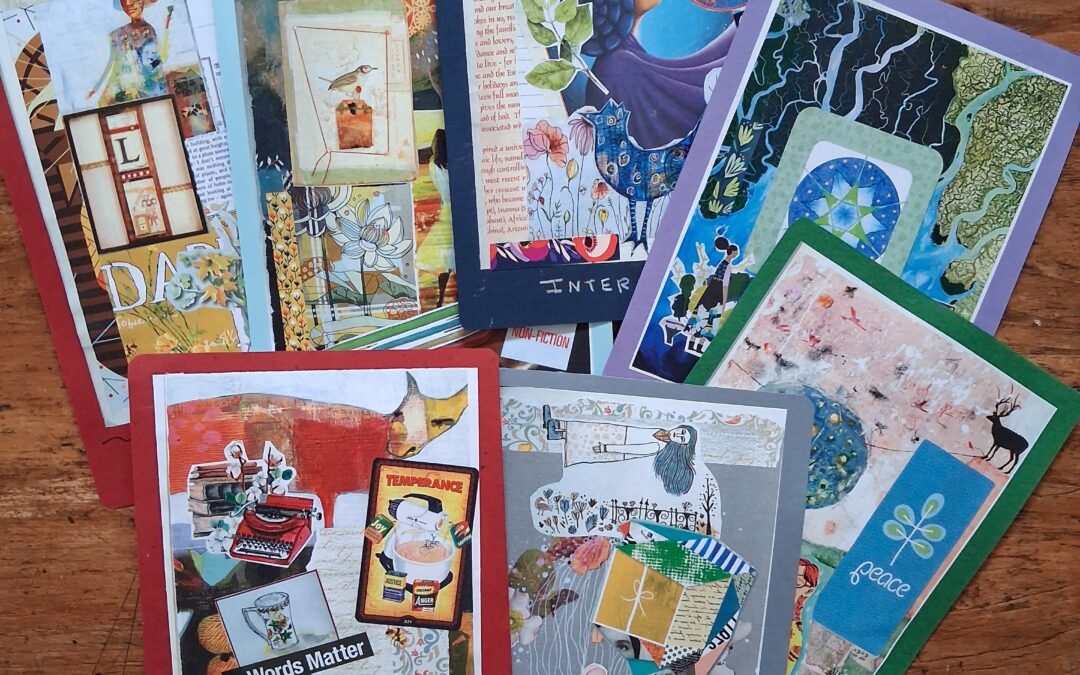
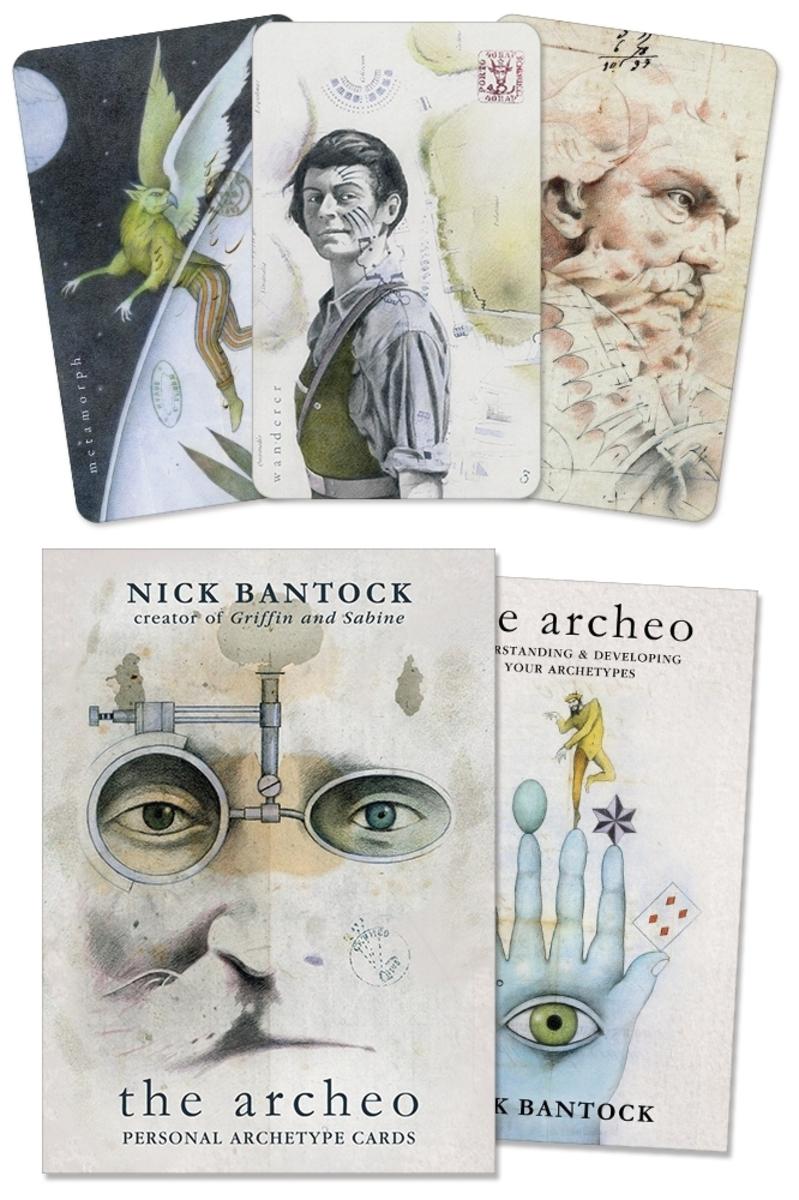 It was Nick Bantock’s deck and book that got me going on my own personal archetype cards. Some of the collages I did for the fun of it, or with an intention such as “My Writing Life,” became personal archetype cards. The collages came first and then the archetype I assigned to them. Among the cards are: Writer, Napper, Daydreamer, Note Taker, Interbeing, Memoirist, Collager. There are many more to come!
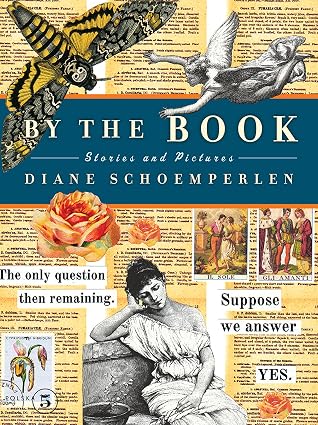 I find it intriguing and inspiring to see what others have done with collage. Diane Schoemperlen, a writer who lives in Kingston, Ontario, is a great collager. In her introduction to By the Book: Stories and Pictures (Biblioasis, 2014), Diane says: “Collage is the most accommodating and unpredictable art form, an often playful arrangement of visual fragments that produces a final collective image that is always much more than the sum of its parts.”